Creative music production changes constantly, and coming up with fresh ideas in the studio can really push your sound in directions you might not expect. When you’re working on new tracks, whether that’s at home with a laptop or in a professional studio, it can be easy to get stuck following the same routines. I’ve found that exploring unexpected techniques not only keeps things fun but can actually give your songs a whole new vibe. Here, I’m laying out some cool approaches to shake up your workflow and help you find creative inspiration, especially if you’re hitting a wall.
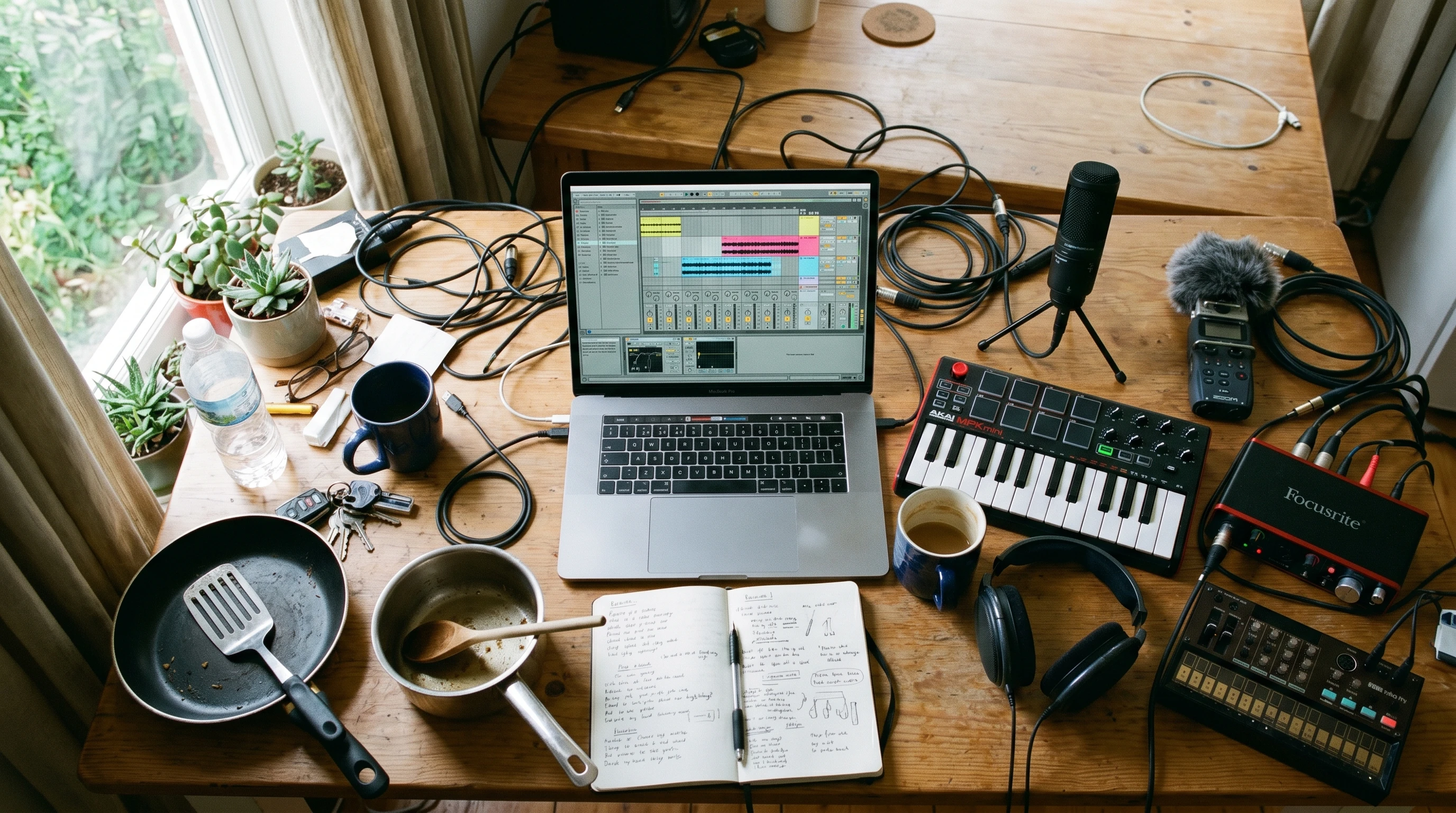
Getting Inspired Beyond the Studio
Sometimes, inspiration just doesn’t show up when you stare at your computer. I’ve learned that getting out of the usual studio space can make a massive difference. Grabbing a portable recorder or your phone and heading outside opens up an entire world of new sounds. Whether it’s the crunch of gravel under your shoes in a park, birds chirping at sunrise, or the distant hum of traffic, these organic sounds add life and personality to a track that’s hard to fake with plugins.
Even right in your neighborhood, just taking a walk and listening for unique rhythms, like the clack of skateboard wheels, church bells, water dripping off a roof, or the beep from a crosswalk, can trigger ideas for your music. I like to record these moments and later chop them up to use as rhythmic layers or atmospheric textures. Sometimes these sound snippets become the starting point of an entire track, giving your music a layer of authenticity that sets it apart.
Sampling Sounds Around the House
There’s so much potential hiding in everyday items at home. I’ve made some wild beats from banging wooden spoons on mixing bowls, shaking jars filled with coins, or even slamming a door (gently!) for a big, punchy snare. Pots, pans, silverware, and even a coffee grinder can become part of your drum kit if you experiment with recording and processing them. Even dropping marbles on different surfaces can give interesting percussion sounds perfect for layering.
What’s cool about using your own household samples is that nobody else will have those exact sounds. Layering different kitchen noises together can turn the most ordinary beat into something that stands out. You don’t need fancy gear. A phone microphone can totally get the job done for building a unique percussion palette. After you record, you can use free tools like Audacity or the built-in sampler in your DAW to trim, pitch shift, and stretch these recordings so they really groove with your track. Try blending multiple household sounds together for extra punch and surprise.
Unconventional Song Structures
Traditional verse-chorus-verse layouts are a staple, but sometimes breaking away from that can give your track unpredictable energy. Rearranging the order of sections, or building a song that rises steadily without repeating, gives listeners something they don’t expect. I’ve tried starting songs with a chorus or bridge, or even dropping sections completely—maybe just a build straight into a massive drop, with nothing in between.
Experimenting with tempo changes or time signature switches in different parts of the song can create dynamic moments that really grab attention. Dropping out the drums for a few bars, or suddenly switching to a halftime feel, are tricks that work well when you want to shake the energy up. Some of my favorite electronic and hip-hop tracks catch me off guard like this, which is what keeps me coming back to them. Don’t just stick to predictable arrangements, as shaking up the structure might lead to your most creative track yet.
Layering Real Sounds with Electronic Elements
I really like blending real recordings, like the household samples or outdoor noises I mentioned, on top of synths and drum machines. Mixing electronic pads with the sound of distant thunder or textured field recordings gives depth that straight-up digital sounds might lack.
Using granular synthesis or resampling lets you turn a short snippet of city ambience or a clangy kitchen hit into whole new instruments. Tools like Ableton’s Sampler, FL Studio’s Edison, or free samplers in Reaper are super handy for stretching, warping, or morphing these sounds until they’re unrecognizable. Sometimes the weirdest samples end up as the foundation of a new song. Try combining ambient sounds with traditional melodies and see what new textures you stumble upon.
Creative Effects and Processing Tricks
Even the most basic sound can transform into something wild with the right effects. I’m constantly reamping recordings: running a drum loop through a guitar amp, or putting vocals through a distortion pedal instead of a clean chain. Add a bit of saturation, bitcrushing, or pitch modulation, and suddenly you’ve got a whole new sound to play with.
Automating effects is another way to keep things interesting. It adds movement and life. For instance, setting a delay or filter cutoff to sweep in and out on your riser, or modulating reverb amounts right before a drop, is a quick way to inject drama. Don’t be afraid to break your own rules and let things get noisy or messy at times. Cleaning things up in the mix is always an option, but happy accidents are where a lot of signature sounds come from. Experiment with different effect chains and see which ones really make your sounds pop.
Building Grooves from Unexpected Rhythms
If you’re bored of using standard drum patterns, sampling the rhythm of someone clapping, a bouncing ball, or your own heartbeat can give you fresh ideas. I once tapped out a rhythm on my desk while thinking about a melody, then layered a processed version of that tap over the track. It locked everything together and pulled the whole idea into focus.
Try recording some friends talking, a pet snoring, or the back-and-forth squeak of a rocking chair and chopping those into short rhythmic loops. Layering these with drum machine hits adds a really personal flair to a beat. You might be surprised by how musical these “nonmusical” sounds can be once processed with compression and subtle tuning. Consider using these oddball rhythms as the main groove or as ear candy to keep listeners hooked.
Common Challenges and Ways to Keep Things Fresh
- Running out of ideas: Walking away for a bit or working on a different genre often helps jumpstart creativity. There’s nothing wrong with a reset whenever things get stale.
- Getting lost in details: Keeping sessions playful and setting a timer for “creative experiments” has helped me finish more tracks instead of endlessly tweaking. Quick bursts of focused creativity can often spark better results than hours of hair-splitting edits.
- Mixing nontraditional sounds: Sometimes field or kitchen recordings can be tricky to fit in the mix. EQ carving, reverb to blend them, or layering similar frequencies helps these samples sit better with digital elements.
- Recording quality: Not every homemade sound is clean. Embracing the noise and using it as texture can make your track way more interesting. Otherwise, some gentle noise reduction or careful gating gets things under control.
Sampling Your Environment Outside
Tapping into real-world environments like parks, subways, or forests often sparks breakthroughs when nothing else does. I keep a portable recorder (or just my phone) handy for moments when nature or street sounds catch my ear. Even short bursts of rain, footsteps on gravel, or swings creaking in a playground can give a track a sense of place and mood you just can’t fake with presets.
Bringing Collaborators Into the Process
Bringing in a friend who doesn’t “make music” can be a quick hack to shake up your creative process. Whether they’re randomly hitting things in your kitchen, singing out-of-tune melodies, or just offering feedback, that outside perspective can send your project in fun directions you wouldn’t think of solo. Sometimes, that nonmusician’s approach will spark new patterns that you’d never come up with alone. Collaboration is a surefire way to bring out hidden ideas and new energy.
Quick Answers to Common Music Production Questions
Question: How do I turn household and outdoor samples into usable instruments?
Answer: Most DAWs have built-in samplers. Just drag and drop your recordings, adjust the start and end points, and tweak the pitch. Layering several versions and adding basic effects makes it easy to build playable patches from almost anything you record. Experiment with different pitches and effects to see how far you can stretch a sample into new musical territory.
Question: Is it possible to make professional tracks using just found and homemade sounds?
Answer: Absolutely. Many electronic, pop, and hip-hop producers are mixing unconventional recordings with polished samples and synths. It’s all about how you process, EQ, and arrange them in your mix. Found sounds can bring a level of authenticity and uniqueness to music that often gets attention.
Question: What’s the best way to keep music production sessions fun and not stressful?
Answer: Try setting time limits for creative tasks, switching up genres, and not getting too hung up on mistakes. Sometimes the weirdest ideas become the best parts of a track. Make time for pure experimentation, and remember to enjoy the process instead of only chasing perfection.
Ideas for Your Next Creative Session
- Challenge yourself to write a beat using only sounds recorded within an hour at home or around your neighborhood.
- Pick a favorite outdoor location, capture its soundscape, and use it as the foundation for a track intro.
- Experiment with song structures by removing your chorus entirely or making the bridge extra long, and see how it changes the energy of your track.
- Try automating unusual effects (like ultrashort delays, tape hiss, or wildly modulated filters) to bring static sounds to life.
- Invite a friend to improvise percussive rhythms with whatever’s handy, and build the groove around their performance.
- If you’re feeling stuck, try layering sounds from wildly different environments in one song — such as pairing city street sounds with forest ambiance for a fresh contrast.
Staying creative in music production comes down to exploring new textures, rhythms, and workflows. There are no strict rules, just tools and ideas to help capture whatever sparks your imagination. If you hit a rut, grab a recorder, start listening to the sounds around you, and trust your ears above all else. Sometimes the best tracks start where you least expect, so don’t be afraid to experiment, blend, and play until you stumble upon something that excites you.