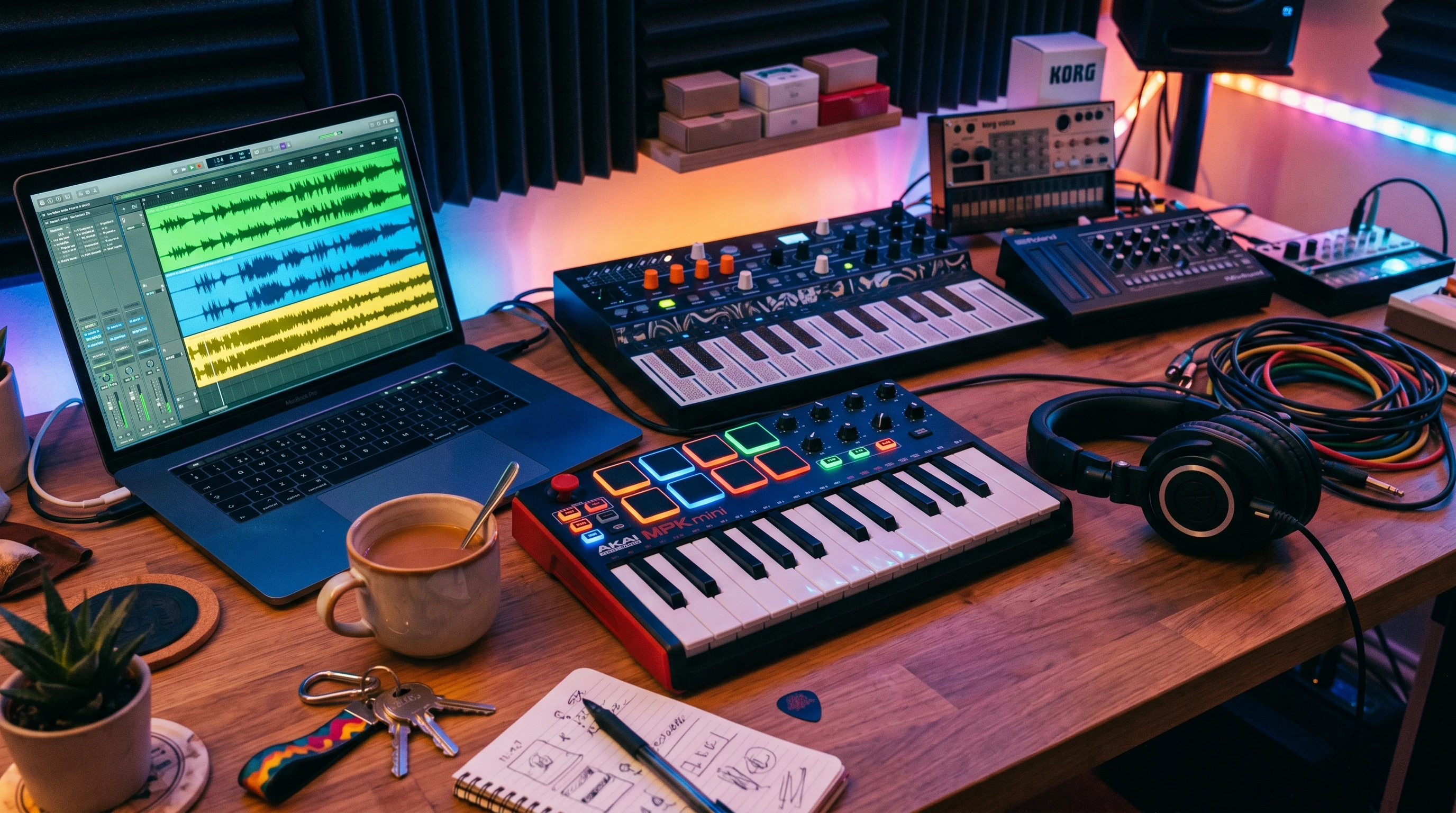
 Beat making isn’t just about laying down a simple kick and snare pattern. If you’re aiming to stand out, you’ll want some fresh strategies that go beyond the basics. I’ve spent plenty of hours getting creative with drums, samples, synths, and FX, and along the way, I’ve learned that unique beats usually start with unique approaches. Whether you produce hip hop, electronic, pop, or anything in between, there are all sorts of approaches to keep your tracks sounding original and full of flavor.
Stuck using the same patterns, loops, and instruments every time you open your DAW? Don’t worry. With a few tweaks to your process and some cool techniques, you can break through beat block, find inspiration, and kick out tracks that catch listeners’ ears. This guide is packed with creative, practical strategies to help you raise your beatmaking game and give your rhythms a fresh twist. Great music always stems from breaking habits and pushing past comfort zones, so let yourself experiment.
Step 1: Experiment With Unusual Sounds & Sources
Beats feel exciting and new when the sounds themselves are a little unexpected. Instead of using only drum kits and traditional samples, try building your beat with sounds from unusual sources. A beat can get interesting fast when you use textures found outside the studio.
Ideas for Finding Unique Sounds:
- Field Recordings: Record everyday noises (traffic, footsteps, keys jangling) and layer them for texture.
- Foley Sounds: Use household objects: tapping a mug, slamming doors, water drops, or shaking a bag of chips.
- Synth Manipulation: Start with a synth preset, then tweak the filters, envelopes, or waveforms until it’s unrecognizable.
- Resamplinghi-hats: Chop your own old beats, vocals, or random YouTube clips, then flip or reverse them.
- Natural Spaces: Try recording in garages, bathrooms, or open fields to get unique ambience or room tone for layering.
I once made an entire rhythm section out of kitchen utensils and the back of a cereal box. The result didn’t sound like anything out of a preset pack, and that’s exactly what made it catchy. With a phone or budget field recorder, you’ll stumble upon all kinds of fresh sounds in your environment.
Step 2: Flip Your Rhythm & Timing
You don’t have to stick with on-the-grid, 4/4 timing. Changing up the groove or playing with rhythm rules can lead to some wild results. Mixing up your beat’s timing can give a track an identity of its own.
Ways to Play With Timing:
- Off-Grid Quantizing: Move drum hits a bit off the grid for a loose, human feel.
- Odd Time Signatures: Try 5/4, 7/8, or even a polyrhythmic approach where two patterns have different signatures.
- Syncopation: Place snares or percussion in unexpected spots, skipping the predictable spots.
- Stutter & Gate FX: Slice and repeat slices of your beat for glitchy, modern bounce.
- Changing Swing: Continuously change the groove from straight to swung for evolving rhythms in a song.
One of my favorite tricks is to shift hi-hats slightly late on every other bar, making the loop feel both groovy and unpredictable. Messing around with swing and groove helps your beats come alive and brings out that next-level cool flair.
Step 3: Layer for Depth and Surprise
Even simple beats can get a unique boost from clever layering. The trick is to stack sounds without making things muddy. Thoughtful layering can make your beats sound fuller and more eye-catching to the listener.
Layering Tactics to Try:
- Combine Acoustic and Digital Drums: Mix an acoustic snare with an 808 clap, or layer real hand claps over snapped samples.
- Texture Layers: Add a soft vinyl crackle, subtle noise, or field noise to fill out the background.
- Background Percussion: Place shakers, tambourines, or reverse cymbals very quietly in the sides for more energy.
- Melodic Percussion: Throw in tuned percussion (glockenspiel, kalimba, marimba) to add melody and rhythm at the same time.
- Wide Pan Effects: Occasionally hard-pan quiet textures left and right for a more immersive feel without cluttering the main groove.
If you’re careful to EQ each sound so they fit together, these layers will give your beats more life than singleshot drums alone. Try listening to your favorite producers and pick up on how they layer elements in ways that may not be obvious at first.
Step 4: Use Automation for Dynamic Movement
Static loops can get boring quick. Using automation breathes new energy into your tracks and keeps listeners guessing about what’s coming next. Motion keeps tracks from feeling stale.
Automation Moves Worth Trying:
- Filter Sweeps: Automate a highpass filter to fade sound elements in and out.
- Pitch Drops & Rises: Bend the pitch of a kick at the end of a 4 or 8-bar phrase.
- Stutter Repeats: Use volume or mute automation to quickly cut out, then bring in parts of your beat.
- Panning: Make hi-hats or effects bounce left and right during fills or transitions.
- Reverb Automation: Slowly send percussive elements through reverb in breakdowns, then dry them back out for the main groove.
I often automate the volume of background sounds, ducking them when the main groove is on and swelling them back up for breakdowns. Automation is where you can truly give a beat life and next-level details.
Step 5: Break Pattern Rules With Drops and SwitchUps
Repeating the same 8-bar loop can wear out listeners fast. Breaking things up with well-placed switchups helps keep energy high. Listeners remember tracks that keep them on their toes with unexpected moments.
Ways to Switch Up Your Arrangement:
- Breakdowns: Drop out drums and let a single melodic line or effect stand out.
- Temporary Silence: Mute everything for just a beat or two before the main groove drops back in.
- Mini Drops: Cut out your bass or kick for one beat, then slam it back in to surprise your listeners.
- Odd Bar Loops: Instead of looping every 4 or 8 bars, try flipping to a 7-bar or 9-bar out-of-tune, ear-catching phrase.
- Drop FX Swells: Reverse reverb or build up white noise during transitions to signal a new section is coming.
Listeners love these moments because they feel unpredictable. My top move? Throwing in quick reverses or reversed reverb swells right before the beat returns. It always catches people’s ears, and adds that dramatic, eye-catching flavor.
Step 6: Start With Melody or Sound Design First
Most producers lay down drums first, but flipping the script and starting with a melody, bassline, or soundscape can push your beats in cool new directions. You’d be surprised how changing your approach can set free new creative ideas and lead you somewhere totally different from your norm.
How to Change Up Your Workflow:
- Melody First: Lay down a melodic idea, then build drums and percussion around its rhythm and mood.
- Sound Design Sessions: Spend a session making wild synth patches or FX, then sculpt your beat around the most interesting results.
- Found Sample Inspiration: Find a weird sample, chop it up, and let its feel guide the rest of the track.
- Chord Progressions: Write a chord movement first, and let your drums support the emotion of your musical base.
One time, I used an out-of-tune, ear-catching kalimba loop as the base layer for a trap beat. The melody’s odd timing led me to create grooves I never would’ve imagined starting with plain drums. Next time you write, try switching up your workflow and see where it takes you.
Step 7: Polish With Creative FX & Final Tweaks
Effects do more than fix problems. They let you put your personal stamp on a beat. The right FX choice can make a groove truly memorable and ear-catchinghi-hats.
FX Moves That Add Personality:
- Bitcrushing & Distortion: Rough up hi-hats, claps, or snares for digital crunch.
- Granular FX: Break a vocal or instrument into tiny pieces, then stretch, scatter, or repitch them for trippy backdrops.
- Creative Reverb: Get dramatic with long reverbs on single shots, then cut them short with gates for spacey, chopped tails.
- Reverse Elements: Flip snares, claps, or vocal samples backward and use them as transitions or fills.
- Unique Delay: Use a synced or unsynced delay on one element, then automate feedback for wild echoes in breakdowns.
Using these kinds of effects sparingly helps a beat feel modern and unique, not overproduced. Sometimes one fresh FX move is all it takes to make your track memorable and get people talking about your style.
Common Questions & Troubleshooting
How do I know if my beats sound unique?
A good way is to compare your beat with current charttoppers and your favorite songs. If yours sounds like a clone, try swapping out core sounds, slowing the tempo way down (or speeding it up), or using fewer preset elements. Recording and listening with fresh ears after a break can also help you spot what sets your rhythm apart.
I feel like I keep making the same patterns. What now?
- Challenge yourself to avoid your usual workflow. If you almost always start with hi-hats and kicks, start with a sample or a bassline.
- Set odd limitations: Only use sounds you recorded yourself, or only use effects you’ve never tried.
- Ask a friend to send you a random audio file, and build your entire beat around it.
- Switch up the genre you usually make; jump into a new style for one session, just to shake things loose.
What can I do if my beat sounds flat?
Try adding subtle layer textures, automating filter cutoffs for movement, or experimenting with new groove settings. Even small changes in swing or variation can add more bounce to a track. Sometimes it helps to add ambience or room noise low in the mix for extra depth.
Final Tips & Next Steps
Making unique beats comes down to trying things you haven’t tried before and taking small creative risks. The tricks here—experimenting with unusual sounds, flipping rhythms, layering, automating, breaking up arrangements, changing your workflow, and playing with FX—are just starting points. You’ll stumble upon what works for you as you keep pushing your boundaries and listening for new ideas everywhere.
Your Action Plan:
- Pick one new method (field recordings, automation, arrangement switchups, etc.) and try it in your next session.
- Share your beat with a friend or online group for honest feedback.
- Save your favorite tricks as templates or presets for quick use in the future.
- Schedule regular listening sessions to explore genres or producers far outside your comfort zone for inspiration.
What unique technique are you excited to try first? Drop your thoughts below; I’m always down to hear new beatmaking stories and hear how others give a boost to their creative process. Remember, each new experiment gets you closer to your own signature sound. Wrapping up, stay curious and keep your ears open!