Beat-making technology is changing faster than ever. Even just a few years ago, making music was mostly about spending big bucks on gear and tweaking random knobs in cramped bedroom studios. Now, there are intuitive apps, AI assistants, and gear that’s getting smarter every year. For producers and music lovers like me, it’s a pretty exciting time to keep up with what’s next in beat making and audio production.
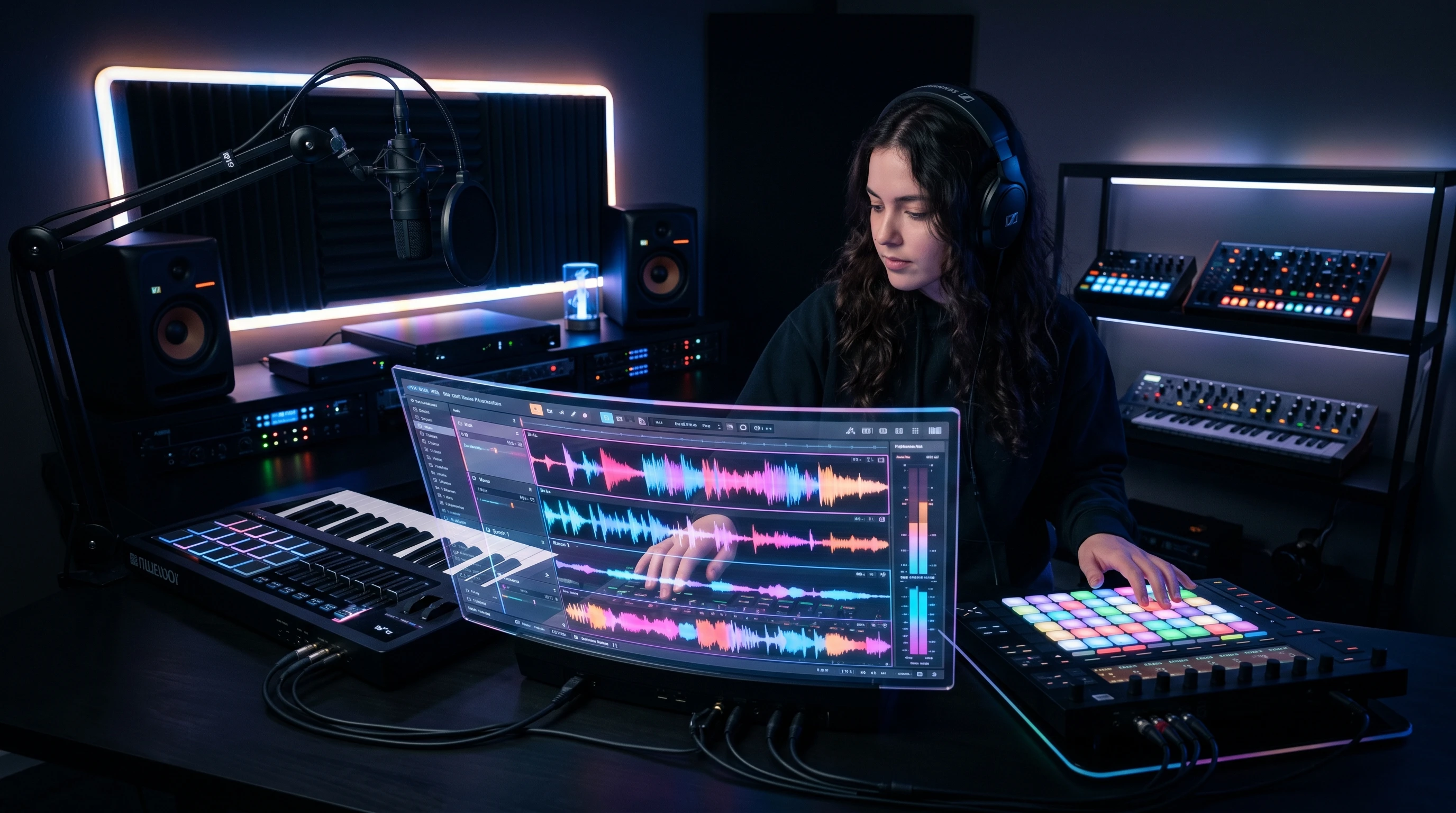
The Next Wave in Beat Making Technology
Music production tools have exploded beyond traditional studio equipment. Today’s producers use software and hardware that does more than just play sounds; it learns your workflow, suggests new ideas, and even helps polish your mixes in real time. Whether you’re making hip hop beats, electronic tracks, or indie jams, staying updated with the future of beat making opens up creative options that just didn’t exist a decade ago.
Software is playing a much bigger role now. Cloud platforms enable producers to team up with others anywhere, sample packs powered by artificial intelligence introduce fresh sounds, and new controls are designed for touchscreens and gestures. Everything’s more portable, adaptable, and easier to use, making it possible for beginners and casual producers to jump right in without a steep learning curve. These advances mean making music can happen pretty much anywhere, by anyone, at any time.
The wave of bedroom producers has pushed these innovations forward. Companies are always putting out affordable and clever solutions that help get ideas down fast, while still making pro-level sound quality within reach of nearly everyone. This widespread access has resulted in a generation of creators whose ideas flow quickly from imagination to finished track, thanks to tech designed to smooth the way for inspiration.
How AI and Machine Learning Are Shaping Music Production
AI isn’t just a buzzword anymore. It’s a core part of the future in beat making. Most popular DAWs (Digital Audio Workstations) now feature smart tools to help map out drum patterns, generate bass lines, or recommend chord progressions that match your song’s feel. Software like Ableton Live and FL Studio includes AI-powered tools for everything from auto-sample slicing to real-time pitch correction.
- Automatic Drum Pattern Generation: AI spots the kind of rhythm you want, tweaking kicks, snares, and hi-hats based on style or mood.
- Smart Melody Suggestions: Certain tools can generate melody or chord ideas that fit within your song’s scale and vibe, acting almost like a co-producer that never gets tired.
- MIDI Humanization: Software that ensures your beats don’t sound robotic by introducing small variations and groove; this removes the need for tedious manual editing.
For producers who sometimes get stuck with writer’s block or want to try out new sounds, these features are a real boost. The technology won’t take over your music—you’re still at the helm—but it can speed up the early phases and keep your inspiration rolling.
What’s more, rapidly evolving AI beats can even study popular songs to suggest mixing tweaks or sound choices. Some platforms even track your creative habits, offering up new trends and effects that suit your style. All of this speeds up learning and helps you make bold choices that you might not stumble upon otherwise.
New Gear and Hybrid Controller Innovations
Hardware makers are mixing hands-on controls with new digital features, transforming how people interact with their gear. Grooveboxes, MIDI controllers, and drum pads now feature built-in screens, touch surfaces, and wireless connectivity with laptops and tablets.
- Hybrid MIDI Controllers: Modern pads (like the Akai Force or Native Instruments Maschine+) aren’t just for triggering samples anymore. They come packed with sequencers, synth engines, and even Wi-Fi for quick project sharing.
- Portable Beat Making Gear: Devices such as the Teenage Engineering OP-1 and Roland SP404mkII deliver powerful sampling and sequencing in a small, portable design. These let you produce music in cafés, parks, or even while riding the subway.
- Touch and Gesture Controls: Some controllers respond to shakes and swipes for expressive sound shaping, so you can literally move your ideas with your hands—less like programming and more like sculpting sound.
These gadgets are worth a look if you want the classic feel of physical controls combined with the flexibility and creativity of digital tech. They can really help you combine the best of both worlds.
The Cloud and Remote Collaboration in Beat Making
In the past, making music meant gathering everyone in a studio. Thanks to the cloud, producers can now collaborate from anywhere—all you need is a solid internet connection and compatible tools.
- Real-Time beat-making platforms like Splice (via Discord) and BandLab let musicians share stems, loops, and even entire DAW projects instantly between computers. You can lay down drums in Los Angeles and have a friend in Tokyo add a synth part in minutes.
- Sample Libraries and Presets: Cloud-based sound libraries provide immediate access to millions of loops, one-shots, and presets. It saves time searching through endless folders and keeps you inspired.
- Automatic Backups and Versions: Cloud systems do the heavy lifting for session safety and version history, so you can always roll back changes or recover an earlier mix. That’s a real lifesaver when experimenting gets out of hand.
These features are especially helpful for up-and-coming artists building online followings, or anyone who wants real-time feedback from friends and collaborators around the globe.
Challenges and Considerations for Upcoming Producers
As next-level cool as beat-making technology is getting, there are a few important details to keep in mind.
- System Compatibility: Some new software or gear requires updated computers. Always check tech specs and reviews before you buy or subscribe.
- Learning Curve: More advanced tools can be tricky at first. Tutorials and online forums can help you get the most out of your equipment.
- Music Ownership and AI: When using AI-generated loops, make sure you know who owns the beat. Read licensing terms, especially if you’ll publish or sell your music.
- Subscription Costs: Multiple monthly fees for various cloud services, plugins, and sample libraries can add up fast. Sticking with what you use most makes sense for keeping costs down.
System Compatibility
Not every laptop or tablet can handle the latest plugins or powerful all-in-one devices. Reading up on real user experiences and minimum requirements will save frustration later. It’s better to ask ahead in forums or communities before committing to upgrades.
Learning Curve
When your gear does more, it often takes longer to get truly comfortable. Searching for video walkthroughs or joining online groups can fill in the gaps and help you progress faster.
Music Ownership and AI
Who owns music partly created by AI? Some apps spell it out; others are vague. Reading the fine print beforehand protects you from any unwelcome surprises when it’s time to distribute or sell tracks.
Subscription Costs
Between DAWs, sample packs, and plugins, fees can pile up. Comparing features and prioritizing your most used tools will keep your wallet from taking too many hits. Free trials and periodic evaluations are great ways to see what tools truly give your workflow a boost.
Sorting out these key points early helps save time, money, and bumps in the road as music tech continues to grow and change.
Trends to Watch: What’s on the Horizon?
Beat making keeps morphing fast, and a few trends are shaping what’s next for all music creators:
- AI-Powered Collaboration: Watch for apps that not only connect artists remotely but also predict workflow needs. Imagine software recommending new parts and arrangements based on your style and your friends’ habits.
- Virtual and Augmented Reality Workspaces: Some companies are building full 3D studios where anyone can arrange instruments and effects in mid-air, creating an immersive hands-on experience beyond flat screens.
- Universal Cross-Platform Workflows: Producers will move between phones, tablets, and desktops without losing project quality or history. Seamless device switching is quickly becoming the norm.
- Decentralized Music Platforms: Blockchain technology could allow musicians to sell beats or loops directly to fans, keeping full control over their work and earnings.
Music tech continues stretching boundaries. Keeping an eye out for new apps and tools helps producers try out fresh creative approaches—sometimes before they go mainstream, which can set your work apart from the rest.
Real-World Uses and Success Stories
Modern beat-makingEntry-level tools aren’t just for electronic music. You’ll see them everywhere: Grammy-winning pop producers use advanced sample manipulation to build chart-toppers, while underground hip hop acts use compact grooveboxes to create beats on tour buses. Even orchestral composers now blend classic instruments with electronic drum machines for TV and film scores.
- Bedroom Producers: Affordable laptops and AI-enhanced tools help new talents upload original beats to platforms like SoundCloud and TikTok, quickly building loyal fanbases without industry connections.
- Live Performers: Many musicians use portable synths and samplers for spontaneous, audience-driven arrangements. They can even remix tracks on the fly according to the crowd’s reaction.
- Remote Collaborators: Teams worldwide now score games, ads, and movies entirely online, using cloud-powered production tools for seamless teamwork.
Stories about up-and-coming music makers harnessing new technology are everywhere. Reading about their journeys is a great way to get inspired and find a spark for your next project.
FAQ: Common Questions About the Future of Beat Making Tech
Here are some questions I commonly get from fellow producers and music hobbyists:
Question: Can AI make full songs by itself?
Answer: AI tools can draft beats, melodies, and arrangements, but human input is still key for original and emotionally powerful music.
Question: What gear is best for beginners just starting out?
Answer: Entry-levelbeat-making controllers or free DAWs like Cakewalk or GarageBand work well. Choose tools backed by strong online communities and tutorials to make learning smoother.
Question: How do I protect my copyright when using cloud-based tools?
Answer: Always check the terms of service for any cloud app. Many platforms let you keep your rights as long as you use original material and properly licensed samples.
Getting Ready for a New Era of Beat Making
Music creation is getting more open and inspired for everyone. Whether you’re just having fun with new gadgets or working to become a major producer, keeping pace with the changes in beat-making tech is important. Test out the latest hardware, put AI features to work, and connect with artists worldwide—there have never been more ways to express yourself. The future of beat making looks wide open, and I’m excited to see what kind of exciting new music producers will set free next!