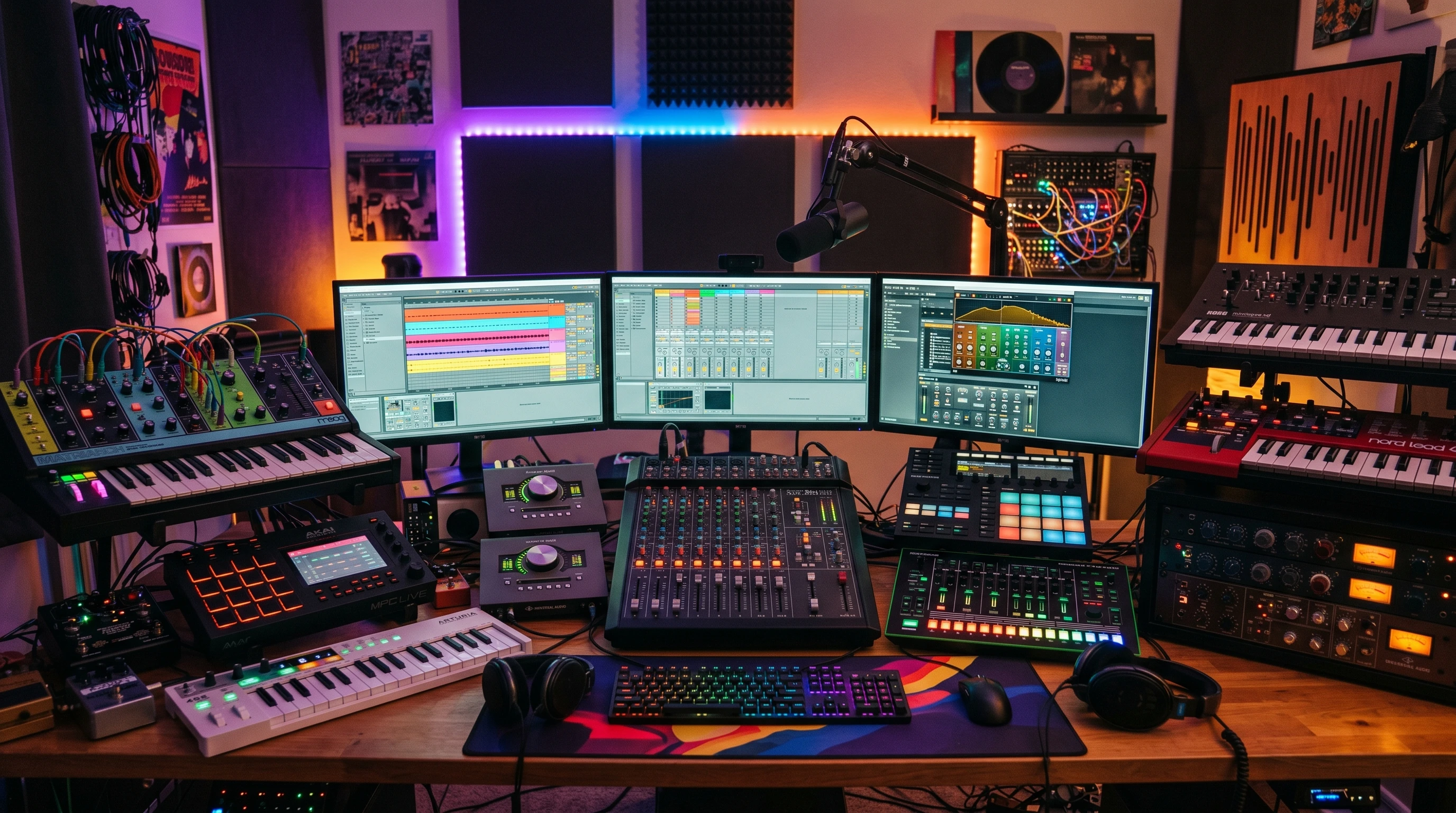
 Beat making continues to inspire music producers, songwriters, and hobbyists everywhere. As someone who spends a lot of time experimenting and building tracks, I know how easy it can be to fall into the habit of repeating the same patterns and sounds. Exploring new techniques and creative methods is a smart way to keep music fresh and exciting.
Beginning with an open and curious mindset can lead to surprising results, even for those new to beat-making. Trying unconventional ideas or tweaking familiar ones is a fun way to unlock new sounds and develop a unique style. This guide brings together practical and creative beat-making ideas that any creator can use, whether working with software, hardware, or just a smartphone.
By the end, you’ll find a range of ideas you can try in your own sessions, from layering surprising samples to using randomization for inspiration. Keeping your workflow relaxed, playful, and open creates space for unexpected creativity and sometimes leads to next-level cool results you might not expect. Whether you’re hoping to add some variety, build confidence, or just shake off musical ruts, there’s something here for every beat maker.
Track Down Your Personal Beat-Making Style
Everyone has a different rhythm and process. Spotting what feels natural helps shape the music you make. For me, some of my best ideas pop up when I stop following strict templates and play around with sounds or instruments that catch my attention. This doesn’t just break up monotony—it also helps me stumble upon new creative paths.
Questions That Help Define Your Approach:
- What types of genres or rhythms get you excited?
- Do you prefer starting with a melody, drum pattern, or even a random sample?
- What equipment or software feels enjoyable to use?
- Are you drawn to busy, layered beats or minimal, spacious grooves?
Examples of Beat-Making, Goals:
- Experiment with one new percussion sound in every session.
- Move beyond standard 4/4 grooves to other time signatures—maybe try a 3/4 or a 7/8 groove.
- Create a short loop every day to build consistency and confidence. Even simple loops count!
Once you find what truly interests you, making beats starts to feel less like a task and more like a creative adventure. This personal approach gives you motivation and reveals your strengths as a creator.
Start with Unique Sound Sources
Many memorable beats come from using unusual or fresh sounds. I often find that recording or sampling noises from around my home or outside, brings an organic character to my tracks. Trying out new sample packs, virtual instruments, or even sounds from my phone keeps things interesting. Sometimes, sampling a crackling vinyl record or even kitchen utensils adds something different that sample packs can’t match.
Ideas for Finding Original Sounds:
- Record common objects, then chop and process the samples (keys, water, traffic sounds).
- Layer field recordings with your drum machines or synth sounds and blend them for a unique atmosphere.
- Use software tools that create textures with granular synthesis or random noise.
- Import samples from different genres or cultures you don’t usually explore. World percussion, orchestral snippets, or even voices in another language can spark inspiration.
Mixing these sources with your usual toolkit adds a new dimension to your beat-making and helps keep your music sounding different from the rest. Give yourself permission to explore odd sound sources; often, what seems strange at first becomes the element that makes a track stand out.
Experiment with Rhythm and Groove
Switching up groove and timing is one of my top tricks for keeping beats exciting. Putting notes a bit off the grid or using swing adds life to a pattern. In my experience, perfect quantization often sounds a little too stiff, especially for styles like hip-hop, lo-fi, or house music. Adding a subtle groove gives your track a human feel.
Ways to Play with Rhythm:
- Create syncopated drum patterns by moving some hits ahead or behind the beat—minor shifts have a big impact.
- Apply swing to your sequencer or only certain sections (like the hi-hats or snares) to inject character.
- Use triplets, dotted notes, or polyrhythms to break up repetitive loops and keep listeners on their toes.
- Layer multiple drum patterns, muting and unmuting different sounds as the beat evolves. Try using a secondary percussion loop to bring in surprise at specific moments.
This approach helps you find grooves that are catchy, unpredictable, and fun to perform live or record. Don’t be afraid to turn up the swing or shuffle beyond the defaults—sometimes the best grooves are discovered by accident.
Layer, Resample, and Flip Your Sounds
One of the most fun and creative strategies I use is to layer and resample. After making a basic drum loop or melody, I’ll record it as an audio file, chop it up, and rework it into a new pattern. Sometimes, I even reverse the audio or change the pitch to create unexpected results. This keeps older ideas from going to waste—a quick resample or flip can turn an average beat into something eye-catching.
Tips for Creative Layering and Resampling:
- Use resampling in your DAW to process effects (like distortion, reverb, or filtering), then reintroduce the audio as a new layer.
- Flip existing loops by slicing them and rearranging the pieces into a new groove or melody—this often sparks new song directions.
- Layer acoustic samples (e.g., claps, snaps, shakers) with electronic drum hits for depth and texture. That blend can give beats more punch.
- Experiment with reversing samples, time-stretching, or playing them at double or half speed. Even a small change in playback speed can inspire a whole track.
This method allows you to bring to life beats that sound truly original because you’re mixing your own patterns with new twists every time. Save your unusual flips—you never know when a quirky layered loop will become the foundation for a finished track.
Explore Effects and Automation
Applying effects with automation can bring a track to life. I often use filters, delays, or modulation effects to make certain sections stand out. Adding subtle changes in effects helps keep the beat interesting from start to finish. Even a gentle filter sweep or panning effect can create a sense of movement and keep things sounding fresh.
Effects and Automation Ideas:
- Automate filter cutoffs to sweep in new sections or drops. Slowly removing or adding frequencies changes the mood effortlessly.
- Use repeat or stutter effects on drum fills for extra energy. Chop or loop sections to highlight transitions.
- Add gradual reverb or delay tails to the end of phrases—this makes transitions feel smooth and professional.
- Switch between dry and heavily processed sounds for dynamic changes. Try automating between clean and effected signals on verses and choruses.
These tweaks don’t have to be obvious. Even slight automation changes can add movement and shine a light on different elements within your beats. Experiment with effect automations and export alternate mixes to compare what feels best.
Keep Your Workflow Flexible and Fun
Trying to force a beat to sound a certain way sometimes blocks my creativity. Maintaining a flexible workflow makes it easier to follow new ideas when they pop up. If something doesn’t work, I save the project and return to it later with fresh ears. This approach keeps frustration low and gives each session a sense of possibility.
Advice for Staying Flexible:
- Set short challenges for yourself, like finishing an 8bar loop in 30 minutes. Speed can boost creativity.
- Mix up your workspace or use a different piece of equipment. Sometimes, just picking up headphones or moving to another room sparks a new idea.
- Team up with other producers or swap project files for new perspectives. Collaborations often shake things up and lead to unexpected directions.
- If stuck, take a break, listen to other music, or work on a different track. Distance brings clarity, and stepping away can be the best way to let the right idea emerge.
Enjoying the process is really important. The best ideas usually show up when I’m relaxed and having fun, not when I’m overthinking every move. Flexibility in your creative routine allows music-making to feel less like a job and more like an eye-catching part of your day.
Common Questions and Solutions for Beat Makers
I feel stuck making the same type of beat every time. How can I break out?
Pick one technique from this guide that you haven’t explored and use it on your next project, like trying a new time signature or resampling an old loop. Sometimes even a small change leads to a creative breakthrough. Don’t be afraid to shake things up—it’s the only way to track down new sounds that define your style.
Where can I find new drum sounds for free?
There are many free sample packs available online from sites like Splice and Freesound. Recording your own sounds with a phone or field recorder is also a great option, and it gives your beats a personal flavor that free packs can’t always match.
What should I do if I lose motivation in the middle of a beat?
- Save your progress and return later with fresh ears. Sometimes a break provides a much-needed new perspective.
- Play your unfinished loop for a friend or collaborator to get feedback—they might spot something you missed.
- Try muting or soloing individual tracks to stumble upon new ideas or sections that stand out.
I don’t have expensive equipment, but can I still make good beats?
Absolutely. Many powerful free apps and software tools are available for every platform. What matters most is practice, trying new things, and making the most of what you have right now. Some of the most popular producers started with just a laptop and earbuds—don’t wait to get started!
What to Try Next in Your Beat-Making Adventure
Exploring new methods and tools unlocks fresh ideas and keeps every session different from the last. Starting small, like flipping a familiar sample or adding a new rhythmic twist, can spark major inspiration. If you ever feel bored or stuck, it’s the best time to get into something you haven’t tried before.
Your Beat-Making Action Steps:
- Pick one idea here and try it out on your next beat, even if it feels unusual or outside your comfort zone.
- Can you experiment so you never lose a random gem? Label them with dates or details so you can revisit your developing style over time.
- Swap ideas or finished beats with another creator for honest feedback. Sometimes, outside input brings surprises—or new collaboration opportunities.
Which technique will you try first? If you track down something exciting or want to share your creative process, I’d love to hear about it in the comments below! Remember, with every session comes an opportunity to mix it up, step up your skills, and make that next-level cool beat you’ve been dreaming about.