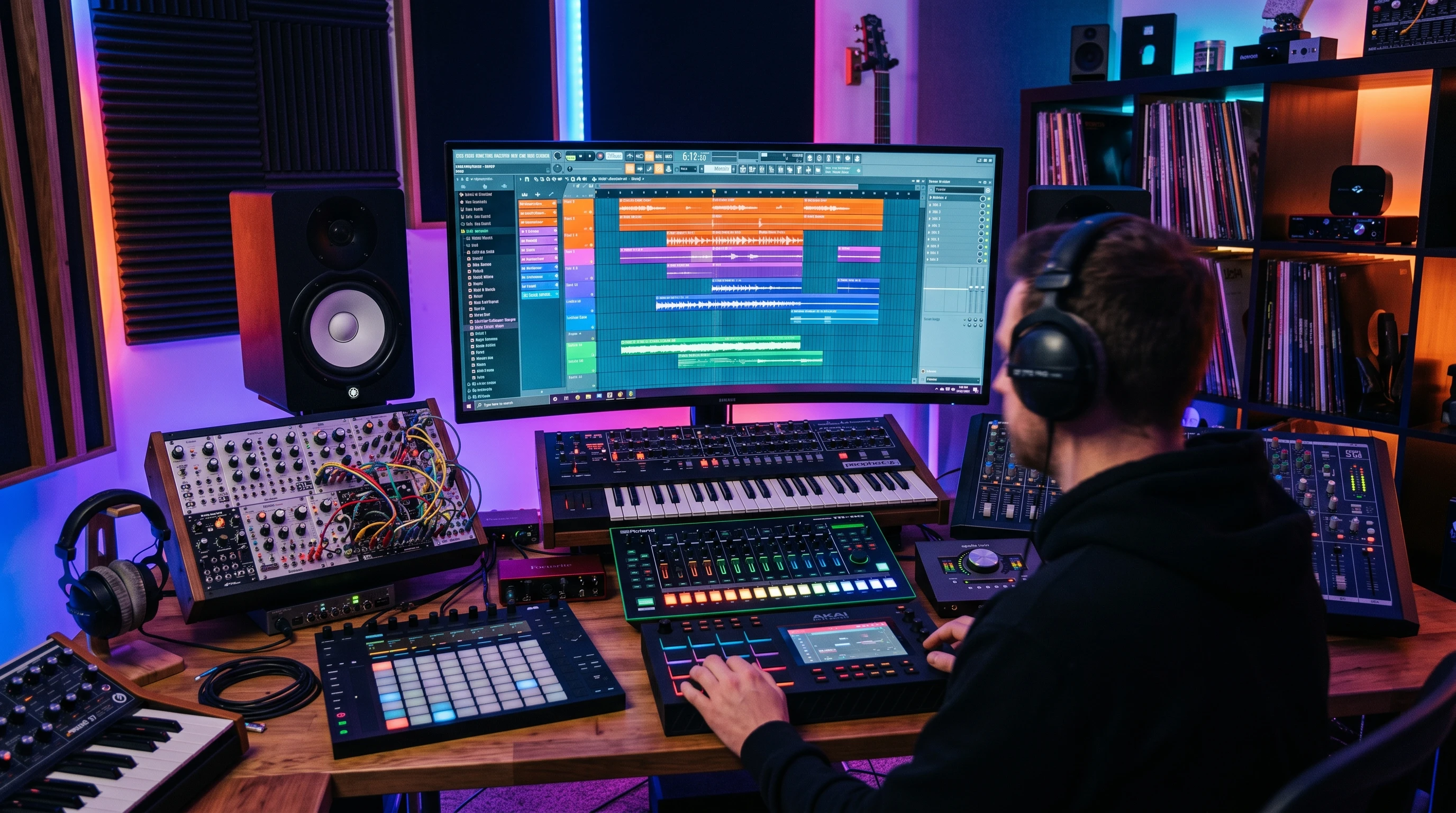
 If you’ve ever caught yourself nodding along to a festival banger or wished you could craft your own massive drops, you’re definitely not alone. Beat-making for EDM (Electronic Dance Music) is super exciting, but getting started or taking it up a notch can feel a bit overwhelming with all the choices out there. I’ve spent many late nights experimenting with kicks, snares, and synths, so I totally understand how challenging it can be to figure out what works best.
Whether you’re just opening your first DAW or already have a few tracks under your belt, some practical techniques can help you make beats that sound fresh, punchy, and ready for the dancefloor. This guide covers the steps I use for building catchy EDM beats, plus a few extra tips you’ll appreciate as you build your own sound.
Step 1: Get Clear on Your EDM Style
EDM covers a bunch of subgenres: house, techno, dubstep, trap, drum & bass, and loads more. Each one has its own beat patterns and vibe. I usually start by figuring out what type of track I want to make. That way, I know what kind of drum sounds, tempo, and arrangement will fit best and save time later on.
Questions to Guide Your Sound:
- Do you want a fast, rolling feel (like drum & bass) or a chill, head-nodding groove (like deep house)?
- What BPM (beats per minute) fits your vision? Most EDM lands between 120–150 BPM, but some subgenres go faster or slower.
- Are you aiming for a festival anthem, a club track, or a mellow home-listen vibe?
Popular EDM Drum Patterns:
- Four on the floor: Classic for house and techno. Kick drums land on every beat, giving a driving and steady rhythm.
- Broken beats: Used in trap and dubstep. Kicks and snares alternate in less predictable spots, adding swing and chaos.
- Fast breaks: Common in drum & bass, with rapidly rolling kicks and snares plus syncopated hi-hats.
Deciding on your style upfront gives your beat some early direction and can help push your creativity in a focused way.
Step 2: Building a Strong Kick and Groove
Kicks are the backbone of EDM. I always recommend starting with the kick. If the kick doesn’t hit just right, the rest of the beat can sound weak. The trick is picking a sample that matches your genre and then tweaking it to sit perfectly with your synths and basslines.
Steps to a Solid Kick Foundation:
- Pick a punchy kick that suits your style. Layering kicks helps if you want a bigger sound—use one for low-end thump, another for a sharper attack.
- EQ your kick to get it right in the mix. I’ll often pump up around 60–100 Hz for the thump and cut muddy frequencies if needed.
- Adjust volume and fade-ins so your kick stands out but doesn’t clip once you add other drums and bass.
Pro Tip:
Use sidechain compression on your bass with your kick as the trigger. When the kick hits, the bass ducks just a bit, making the kick stand out while keeping your groove punchy and tight.
Step 3: Add Snares and Percussion
After the kick, it’s time to layer in snares or claps to set up your groove. In lots of EDM, snares hit on beats 2 and 4, but getting creative with layers or adding offbeat hi-hats can really make things pop. I like to stack both a clap and a snare for extra punch, always tweaking their timing so they hit just right together.
Percussion Layering Tricks:
- Layer different samples: Try blending a crisp snare with a roomy clap for something new and interesting.
- Panning and reverb: Pan shakers and hi-hats left and right to make your beat feel wide. Short reverb creates space without muddying the groove.
- Offbeat elements: Place percussion hits on the “ands” (between main beats) to add shuffle and liveliness.
Swapping out or tweaking percussion sounds can instantly change your beat’s entire style, so don’t hesitate to experiment as you go. Explore ethnic percussion or unusual Foley sounds for even more flair.
Step 4: Groove with Hi-Hats and Rhythmic FX
Hi-hats are key in shaping your groove. In house, you’ll often put closed hats on every offbeat for a constant pulse. In trap and future bass, rolling or stuttered hi-hats can give your track a quick, shuffling energy.
Ideas for Interesting Hi-Hat Patterns:
- Create simple offbeat hi-hats for a classic club feel.
- Layer in rapid 16th or 32nd note hats and vary their velocity for a human touch that avoids sounding robotic.
- Automate pitch or filter changes on your hats to keep things moving and ear-catching as your track evolves.
Tips for Ear Candy:
Sprinkle in uplifters, downshifters, reverse cymbals, and glitch FX to keep things interesting, especially during transitions and fills. Try to add these little details to build up or break down energy before dramatic points like a drop. Even a subtle reverse reverb before a snare hit can surprise listeners and keep things exciting.
Step 5: Arrangement and Section Dynamics
The way you arrange your beats can totally change how people react on the dancefloor. Most EDM tracks have an intro, build-up, drop, breakdown, and outro. Each section uses different beat patterns and energy levels, and creative arranging can make your track stand out from others.
How to Shape Your Arrangement:
- Start with a simple beat in the intro, then layer in new drums or FX every 8 bars to gradually build interest.
- Build tension by stripping out the main kick before the drop, or add snare rolls to turn up the intensity before a climax.
- For breakdowns, remove the drums and let ambiance or soft percussion have space; then, bring the full beat back for maximum impact at the drop.
Quick Example:
- Intro: Keep drums minimal; maybe just hats and atmospheric FX.
- Build: Add claps, snares, risers, and increase intensity steadily.
- Drop: Bring in every layer—full drums, bass, synths for peak excitement.
- Breakdown: Pull things back, simplify, and then build tension again before the next drop.
Sketching out your arrangement early on can really help your workflow. Creating a visual map, even just with colored blocks in your DAW, can help make sure energy flows just right.
Step 6: Layering and Sound Selection
Layering drum sounds and FX is a staple in EDM. Even a subtle shaker, rimshot, or metallic hit in the background can give a loop more depth. Careful sound selection is key—don’t always settle for the first kick or snare you try. I sift through plenty of samples for each track until something feels like the perfect fit for the vibe I want.
Ways to Get Your Sounds Sitting Right:
- Avoid using samples that sound too similar in tone; strong contrast lets every part stand out in the mix.
- Apply effects like saturation, transient shaping, or subtle reverb to help each drum element pop more and feel unique.
- Group similar drums together and use light compression—this glues them without squashing their dynamics completely.
Don’t forget to explore new sample packs or even record your own percussive sounds around the house to add truly personal touches to your beats.
Step 7: Practice and Experimentation Matter Most
No one gets every beat perfect the first time. Sometimes my favorite grooves come from just playing around and breaking away from rigid templates. Trying unconventional patterns, building beats from scratch, or even making use of random samples all help your style develop over time.
Tips for Keeping Your Inspiration Up:
- Remix drum arrangements from tracks you love to study their structure in detail.
- Challenge yourself to finish a quick 8-bar beat every day for a week, focusing on moving quickly instead of getting hung up on perfection.
- Join forces with other producers or listen to different genres for new inspiration—even genres like funk, jazz, or rock can give you great groove ideas!
Staying playful and not stressing over perfection keeps your music fun to make. The more you experiment and practice, the faster you’ll grow your style and confidence as a beat maker.
Common Beat Making Questions
How do I choose which sounds to use?
I typically choose drum samples that match my song’s mood and pair up well with my bass and synth sounds. Swapping out one sound at a time helps me figure out what works best together. Over time, you’ll build your favorite go-to palette.
Why do my beats feel flat or boring?
- Try layering more percussion, changing velocity settings, and adding little details like fills or FX in each bar for dynamic movement.
- Use automation creatively—vary filter sweeps or volume to crank up excitement for each section.
- Listen back and check if everything feels too robotic. Humanize some notes, especially hats and shakers, so the groove feels alive.
Should I quantize every drum?
Quantizing helps everything line up. But sometimes, leaving certain hits a bit off-grid adds character, especially for hi-hats, shakers, or fills—so trust your ears.
Wrapping Up and Next Steps for EDM Beat Makers
Building punchy EDM beats doesn’t have to be reserved for experts. Starting out with clean kicks, solid snares, and energetic hats lays a strong foundation for your tracks. As you develop, mixing up your arrangements, layering new sounds, and staying curious will help you blend your unique style. Practice regularly, experiment often, and don’t be afraid to make bold decisions—sometimes, the quirkiest ideas end up making the most memorable tracks.
Your Beat Maker’s Action Plan:
- Pick an EDM style and try recreating a basic drum loop as a learning exercise.
- Experiment with layering and combining drum sounds for maximum impact.
- Play with arrangement—build up, break down, and drop in new elements to see what moves the groove best.
If you’ve crafted a beat you love, share it online or send it to a friend. Feedback is a great way to find out what’s connecting with listeners and to keep improving. Good luck and happy beat making!