Building unique soundscapes is a fun and creative way to define your personal sonic style, tell a story, or set the mood for a piece of music, film, or game. With so many tools and techniques available these days, experimenting with new sounds is way more accessible than it used to be. I’ll break down my favorite ways to get started, along with tips that help you craft those atmospheric sound worlds that truly stand apart.
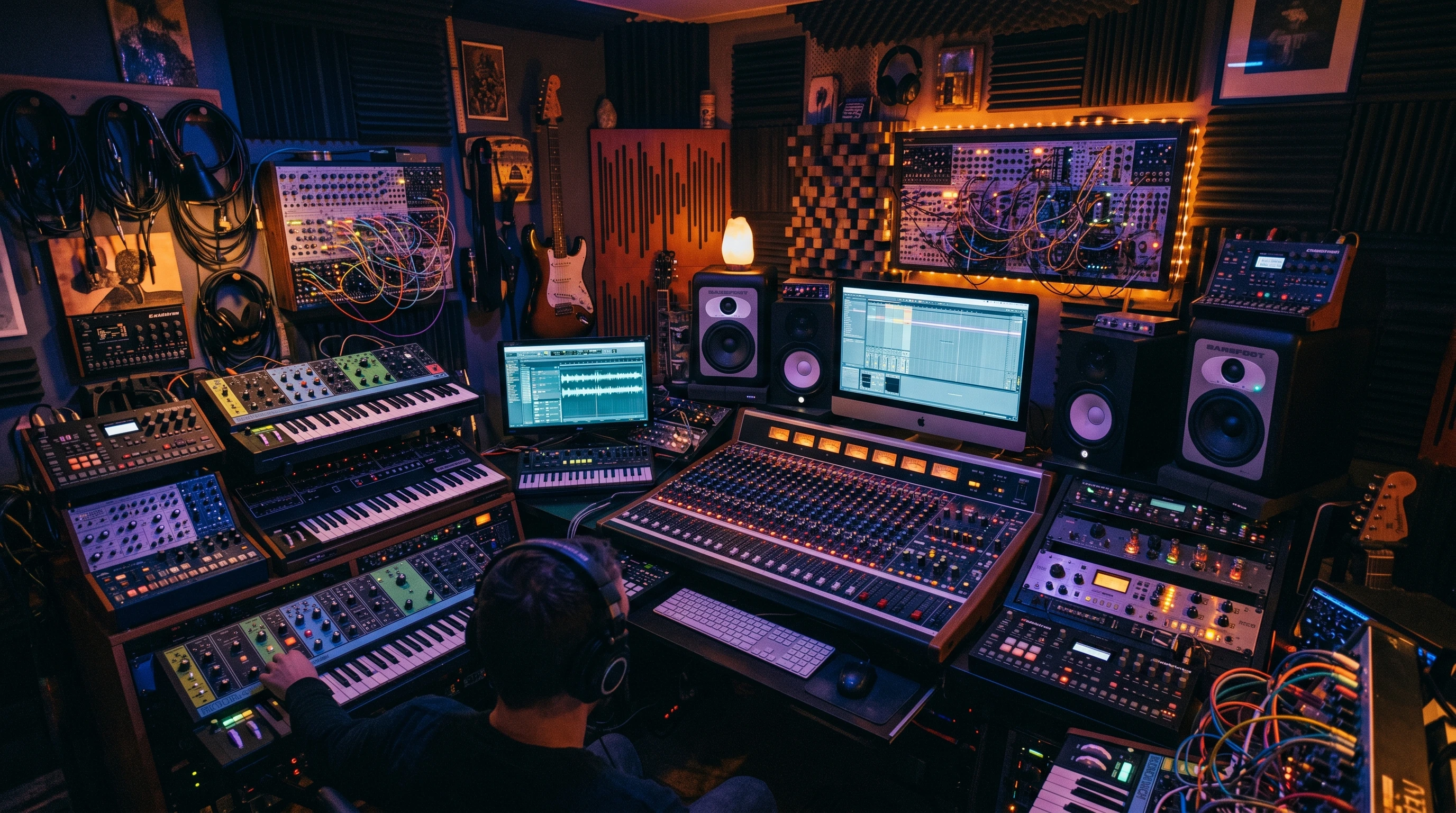
Understanding Soundscapes: What Makes Them Unique?
Soundscapes are more than just a collection of notes or loops. They’re all the little details, textures, and transitions that form the background or emotional core of a musical track, film score, or even a virtual environment. Whether I’m layering up field recordings or bending synths into strange new shapes, the main idea is to create a world the listener can completely get lost in.
The popularity of sound design has grown a ton with the rise of digital audio workstations and powerful, easy-to-use recording equipment. From subtle environmental ambience to outright experimental sound art, making a memorable soundscape is open to anyone who wants to give it a try.
Getting Started: Tools and Gear
If you’re new to this, you don’t need a studio filled with high-end gadgets. Creating cool soundscapes can start with simple tools and a bit of imagination. Here’s a practical list of what I’ve found most useful when starting out:
- Digital Audio Workstation (DAW): Your DAW is the nerve center for building, arranging, and editing your sounds. Ableton Live, FL Studio, Logic Pro, and Reaper are all worth checking out.
- Microphone: Even an affordable field recorder or a smartphone can capture sound snippets for building unique layers.
- Synthesizers and Samplers: Hardware or plugin synths are awesome for designing sounds from scratch. Samplers let me tweak real-world recordings into brand new textures.
- Effects Plugins: Reverb, delay, filters, and granular processors are super useful for transforming basic audio sources.
Some producers collect sounds everywhere they go, while others play with software to turn simple tones into evolving drones. Both approaches work, and blending them leads to some amazing results.
First Steps: Building the Foundation of a Soundscape
Laying down a solid base is a great way to start crafting a soundscape. This is usually the ambient layer; the sound that sets the mood and gives shape to everything else you add on top.
- Pick a Theme or Mood: I usually decide if I want my soundscape to feel calm, eerie, dreamy, or tense. This makes the process more focused and helps keep things cohesive.
- Choose Your Core Sounds: Layer recordings of wind, city bustle, or even running water to start. Synthesized pads or drones work really well for filling out space.
- Start Simple: Don’t try to cram every sound into one mix. Focusing on two or three elements helps everything breathe.
Getting this foundation right is super important for making sure the listener is drawn in, not overwhelmed. I like to think about the “sonic environment” I’m creating before I bring in extra elements.
Creative Techniques for Sound Design
If you want to give your soundscape an original twist, a few tricks always help. Here are some techniques I rely on again and again:
- Field Recording: Grab your recorder and capture ambient noise, nature, mechanical sounds, or even snippets of conversation. Editing these and layering them in your DAW can build really immersive backdrops.
- Granular Synthesis: This technique chops up audio into tiny pieces and rearranges or stretches them. I use granular plugins to make pads that shimmer or vocal snippets that turn into ghostly textures.
- Reversing Audio: Flipping a sound backward often creates unexpected transitions or ethereal effects, especially when used on pads or recorded noise.
- Extreme Time Stretching: Slowing down audio can reveal hidden rhythmic or tonal details, perfect for dramatic or cinematic soundscapes.
- Resampling and Reprocessing: I routinely run sounds through effects, bounce the output, and start the process again with new layers or tweaks. This builds complexity without clutter.
Experimenting and being okay with mistakes is where most unique sound ideas come from. Happy accidents often end up defining the mood or character of a whole track.
Common Challenges in Creating Soundscapes (and How to Handle Them)
It’s easy to bump into roadblocks when you’re learning to build big atmospheres. I’ve run into my fair share of issues, and here’s how I deal with the most common ones:
- Overcrowding: Piling on too many layers makes everything sound muddy. I step back, mute some tracks, and focus on clarity. Think of it like cleaning up your mix so you can actually hear the details.
- Loop Fatigue: Repetitive loops can get stale. Even subtle automation of effects, filters, or panning can breathe life into static samples.
- Balance: Volume leveling, EQ, and stereo placement help keep elements separate. I solo individual tracks often while mixing to make sure they fit without clashing.
- Listening Environment: Mixing with headphones and reference speakers helps me catch details and avoid nasty surprises when sharing tracks elsewhere.
Overcrowding
When I notice my soundscape starting to feel messy, I try muting layers or swapping textures to see what’s really important. Sometimes, using a little subtractive EQ on clashing frequencies keeps things clear without losing warmth or depth.
Loop Fatigue
Short repeating sounds don’t have to get boring. Drawing in automation sweeps or changing up effects every few bars helps keep everything moving in fresh ways.
Balance
Balancing all your layers is super important. I often put high-frequency content (like rain or wind) slightly off center, while the core elements like drones or bass sit in the middle to avoid competition.
Listening Environment
Switching between headphones and speakers, or just taking a break, helps me spot issues in the mix and keeps my ears from getting fatigued. If something doesn’t sound great outside my main setup, I keep tweaking.
Working with these challenges will feel way easier with practice and patience. Each session helps you develop a better ear for subtle details and sonic balance, and as you keep at it, you may even stumble upon your own tricks for solving these issues more quickly.
Advanced Tips for More Creative Soundscapes
After you’ve got the basics, there’s no reason to stop experimenting. Here are more advanced tips to push your soundscapes even further:
Dynamic Automation: Using your DAW’s automation lanes to modulate volume, panning, send effects, or filter cutoffs creates organic, evolving sounds. The more movement in your mix, the more the listener stays engaged.
Spatializing Your Audio: Placing sounds in 3D space with stereo imaging plugins or surround panners gives a real “sense of place.” This is huge for film scores or games, where immersion is super important.
Unusual Sound Sources: Try “circuit bent” toys, household objects, or even free online sound libraries as new material. Anything that catches your ear is fair game. For instance, crumpling paper, tapping glass, or even scraping metal can yield evocative sounds when processed creatively. Coupled with effects, these out-of-the-ordinary sources can transport your audience to unexpected environments.
Stumbling upon new techniques and exploring weird ideas is part of why soundscaping stays fun for me. You might even team up with other creators or check out online sound design communities to swap ideas and challenge yourself to cook up something new.
Key Uses for Unique Soundscapes
Soundscapes are found in way more places than you might think. I’ve built atmospheric audio for:
- Film and Video: Ambient layers help set a scene’s time, place, and emotional tone even before dialogue or music comes in.
- Video Games: Games rely on immersive sound environments to guide players and heighten immersion. Custom soundscapes make each level or world memorable and give your game a signature audio identity that players will remember long after playing.
- Podcasts and Radio: Ambient sound beds give audio stories context, such as rain tapping on a window, footsteps in an alley, or a bustling coffee shop in the background. Sometimes, subtle sound design can help listeners picture an entire world with just a few well-chosen sonic cues.
- Live Performances: Musicians and spoken word artists use ambient beds to add drama, fill out space, and smooth transitions between segments. A good soundscape can be the difference between a flat set and a next-level cool performance that stands out.
Once you get comfortable, soundscaping can even become part of your signature style as a creative or producer. It helps you stand apart from the crowd and communicate your ideas in a way that connects with listeners on a gut level.
Frequently Asked Questions
Here are a few common questions from folks jumping into soundscape creation for the first time:
Question: What’s the best free tool for building soundscapes?
Answer: Audacity is a solid free DAW for basic mixing. For plugins, check out Vital (synth), Valhalla Supermassive (reverb or delay), and the free libraries at freesound.org for source materials. These are great starting points for anyone who wants to build up their own sound library and experiment without spending money.
Question: Can I use my phone to record sounds for my soundscape?
Answer: Absolutely. Most modern smartphones have microphones that work fine for capturing reference sounds and field recordings. Just watch for wind noise and hold your phone steady for best results. Many professional sound artists even use phone recordings as texture layers in finished productions.
Question: How do I make my soundscape feel more “alive”?
Answer: Adding variation is key, so use automation, LFOs, moving filters, or pan things across the stereo field so your sound is always shifting in subtle ways. Try recording changes as you go instead of keeping everything static; little surprises and changes help keep a mix from getting stale. You might even toss in random effects or small pitch shifts to give your soundscape a subtle life of its own.
Final Thoughts
Making your own unique soundscapes is really about experimenting and paying attention to how all the small details add up. It’s easy to get started with just a few tools, and there’s always something new to try. Whether you’re scoring a film, designing the sound for a game, or just playing with audio art, the possibilities are endless. Keep listening, keep experimenting, and have fun with it. Your next great soundscape might come from the most unexpected combination of sounds. There’s always something new to track down, so let your curiosity guide you and enjoy the ride as your sonic worlds come to life.