Beat making is a whole lot more than just piecing together drum kicks and catchy melodies. With music production software and new audio tools making waves every year, producers have fresh ways to experiment, blend genres, and push what’s possible with their rhythms. Whether you’re just getting into beat making or you’re searching for new inspiration, leaning into inventive beat styles can really ramp up your sound and set you apart. Here’s an all-in-one look at some of the most creative and popular beat styles producers are using today, plus how you can weave them into your own projects.
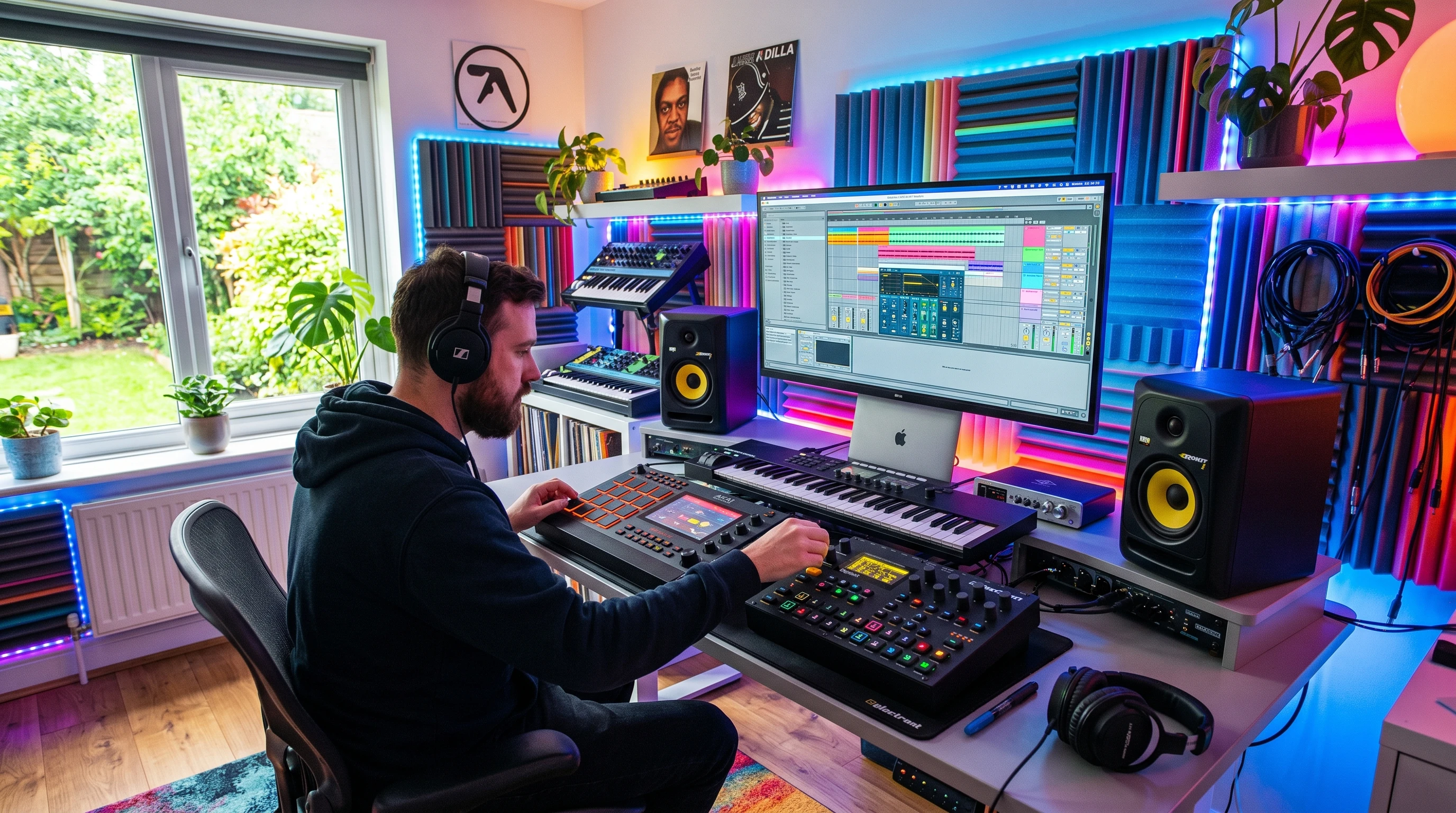
Why Producers Are Turning To New Beat Styles
The music world constantly shifts, with producers leading the charge and checking out new rhythms while redefining genres. Instruments and genre labels often take a back seat to unique grooves, unexpected textures, and mashed-up sounds you didn’t hear in last decade’s tracks. With each year, producers get more tools, expanded sample libraries, and a whole lot more influences across hip hop, EDM, world music, lofi, trap, hyperpop, indie, and everything in between.
There’s a real hunger for something new, and fans certainly pick up on that. When a beat stands out, listeners stick around and share tracks just because the rhythm grabs them. On streaming platforms, unconventional beat patterns and genre-blending drums are making songs trend, no matter who produced them. For up-and-coming producers or even seasoned ones feeling stuck, switching up your beat style can light a creative fire and pull in new fans.
Core Concepts In Modern Beat Creation
Innovative beat styles usually build on basic foundations, but twist or break some rules. Most beats start with a combo of drum hits (kicks, snares, hihats), percussion layers, rhythm pockets, and melodic elements. There’s a ton of wiggle room, though. Here’s a quick rundown of terms every producer should know:
- Syncopation: Rhythms that fall between or before the main beats, adding a bit of surprise or swing.
- Polyrhythm: Two or more different rhythms played at once, creating a layered groove.
- Sampling: Using bits of existing recordings (drum breaks, vocals, old records) and flipping them into something new.
- Swing/Groove Quantize: Nudging drum or melodic hits off the grid for a more human, unique feel.
- Sound Design: Tweaking drums and instruments with effects or synthesis to build fresh, new sounds.
Popular & Innovative Beat Styles Producers Should Try
Ready to get into the most trending and eye-catching beat styles? Here are several styles worth tracking down. Now let’s jump right in to the features that might level up your own tracks.
1. Lofi & Offkilter Beats
Lofi is about welcoming imperfection. Producers use real-world samples (rain falls, vinyl crackle, tape hiss) and mellow, slightly “wonky” drums. The groove might swing a lot, stumble here or there, or use chopped samples pitched up and down. Software like Ableton Live, FL Studio, and plugins like iZotope Vinyl make exploring this sound simple and fun.
2. Trap With Experimental Flavors
Trap dominates much of music right now, but the boldest twists come from offbeat hihat rolls, creative kick patterns, and sound design that leans unusual or futuristic. Picture metallic snares, reversed effects, 808s with wild slides, and unpredictable percussion breaks. Mixing in sounds from other genres—like orchestral strings, acoustic guitar, or synthwave—gives “trap” a next-level cool edge.
3. Broken Beat & 2Step Grooves
This style shakes up the classic 4/4 pattern by moving the snare from its regular spots. The result is a bouncy, energetic groove that balances surprise with familiarity. You’ll find it in UK Garage, broken beat, future bass, and even some hyperpop. Playing around with hihat placement and adding ghost notes pays off big time.
4. Live Percussion & Organic Rhythms
More producers record their own hand drumming, table tapping, or body percussion for unique rhythms. Layering and editing these, you get textures that stand out next to software-only drums. These beats sound alive and can cut through crowded playlists because of their natural swing and groove.
5. Hybrid EDM Beats (HalfTime, Syncopated)
Modern EDM borrows from hip hop, pop, rock, and beyond. HalfTime grooves (140 BPM that feels like 70 BPM) or syncopated percussion stacks build extra movement. Perfect for drops, intros, or building that dancefloor tension in electronic songs.
6. Glitch Beats & Microediting
Glitch beats use editing tricks to chop, mangle, and stutter drum hits and melodies, creating digital or robotic vibes. Software like Output’s Movement or stutter plugins help craft complex, unexpected patterns. These keep listeners always guessing what’s next.
Getting Started: Tips For Creating Your Own Modern Beats
No need for a full workflow overhaul—just try a few new ideas when building or recording drums. These work for any DAW and any experience level:
- Borrow From Other Genres: Add percussion or rhythms from unexpected places. Try samba shakers in a trap beat or West African hand drums in a house groove.
- Switch Up The Timing: Use groove templates or shift drum hits off the grid. Dial in more swing, or try moving hihats and snares for a real, living vibe.
- Stack and Layer: Blend different kicks, snares, and hihats in the same rhythm. Mix together electronic and acoustic samples for a fat, fresh sound.
- Add Texture: Layer background samples like old vinyl static, subtle field recordings, or reversed cymbals to fill the beat without crowding it.
- Microedit: Zoom in and chop up drum patterns. Move slices around, pitch them, or glitch a few hits so your beat is never predictable.
What To Keep In Mind When Experimenting
Taking your beats in a new direction might feel awkward at first, but the payoff is that you’ll stand out and have more fun too. Here’s what to keep in mind:
- Unexpected Grooves Might Challenge Listeners: Not every wild beat style will connect instantly. Sometimes fans need a few listens before the groove clicks.
- Quality Samples Are Essential: Clean, well-recorded drums and percussion matter, especially when you’re playing with offgrid timing or heavy effects.
- Arrange For Flow: Even wild beats should work with your song’s structure and mood. Build your rhythm around the vocals or melody so all the pieces work together. Sometimes, less is more.
- Don’t Ignore Simplicity: Many of the coolest beat innovations start with a simple pattern, then throw in just one twist or new sound.
Quality Samples and Packs
Sample packs from sources like Splice, Noiiz, Cymatics, and Loopmasters offer drums and percussion from all over the world. Chop, pitch, or resample your favorites until they blend into your track just right.
Microediting Software & Plugins
Tools like Serato Sample, Ableton’s Drum Rack, and Glitchmachines plugins make slicing drums or adding effects a breeze. Even standard tools in FL Studio or Logic will let you get creative with your grooves in ways that once took hours on classic hardware.
Advanced Tips To Push Your Beat Creativity
If you’re already settled in your DAW, take your beats up a notch with these ideas:
Mix Up Time Signatures: Shifting from 4/4 to 5/4 or 7/8 can shake things up in big ways, even if it’s just for a song section.
Layer Real Drums With Electronic Hits: Record yourself drumming on a table or tapping on boxes, then mix those sounds with electronic snares or kicks. This gives you a natural attack with the punch you want.
Create Percussive Melodies: Bells, marimbas, or chopped vocal samples can function as rhythmic elements, adding both groove and melody and blurring the usual instrument roles.
Go Beyond Quantize: Turn off automatic quantization every now and then. Freehand your rhythms and let the small imperfections bring your beat to life.
Common Questions About Beat Innovation
Even experienced producers wonder about tricky drum ideas. Here are some common questions and tips:
Question: How do I know if my beat style is too experimental for listeners?
Answer: Play your beats for friends or music fans of all kinds. If the rhythm feels distracting or confusing, try simplifying. Grounding the wild parts with a steady element helps.
Question: Where do I find the best unique drum samples?
Answer: Sample packs are awesome, but recording your own sounds (kitchen tools, outdoor noise, street ambience) is unbeatable. Edit your recordings for a sound nobody else has.
Question: What DAW is best for experimental beats?
Answer: Any DAW will do, but Ableton Live, FL Studio, and Bitwig are super popular for fast arranging, automation, and flexible edits.
Merging Old School With The New
Some of today’s most inventive beat styles mix classic hip hop or funk breaks with the power of modern drum machines, effects, and sample packs. Digging through crates for 70s funk loops or 90s boom bap kits, then layering trap, glitch, or lofi vibes over the top, leads to grooves that are both authentic and fresh. Using both old and new techniques doesn’t just respect the roots of beat making. It keeps your tracks alive and eye-catching for today’s listeners.
Beatmaking creativity is spreading fast, and there’s no limit to what you can build when curiosity and the right tools come together. Stay open-eared, keep experimenting, and don’t hesitate to break the rules you once followed. The next genre-busting beat might be just around the corner.